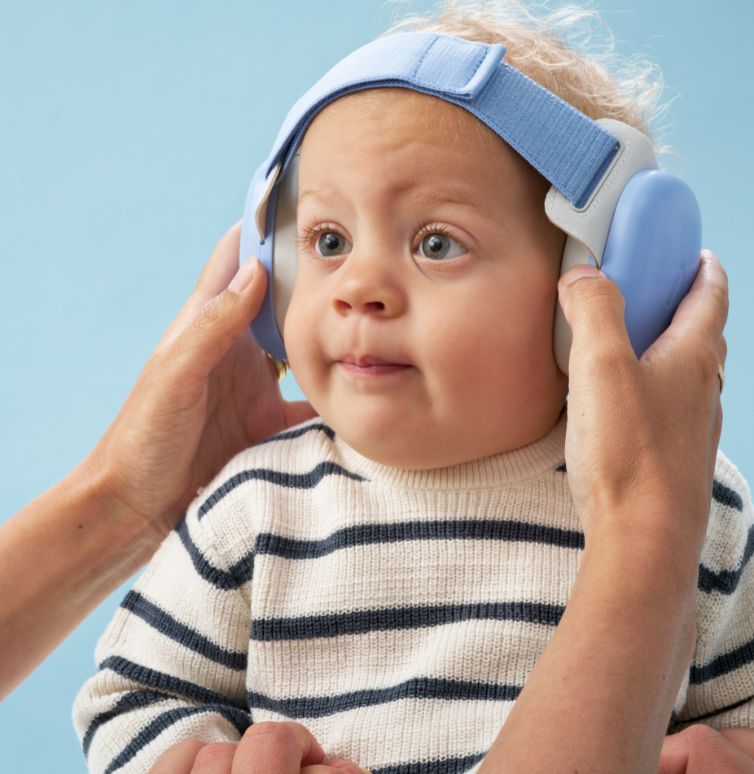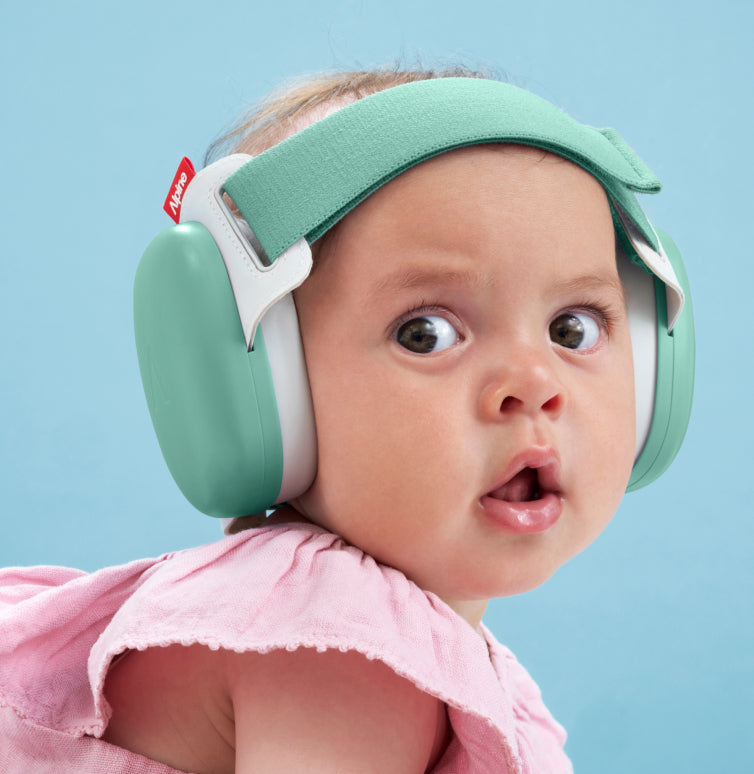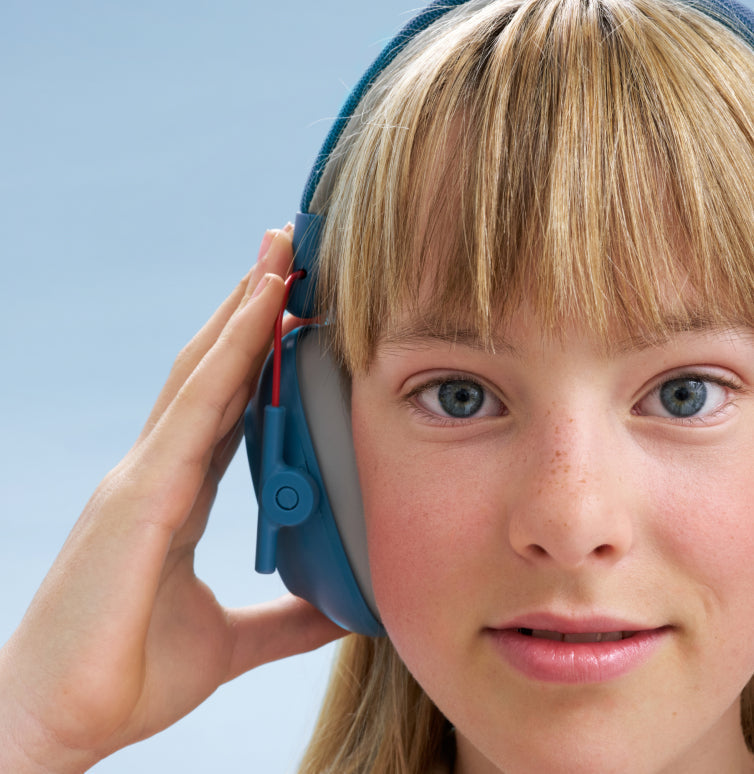
We are seeing it more and more often; children wearing head phones in the classroom. Not the type that play music, but special children’s earmuffs. They make children less distracted and better able to concentrate. According to research, this improves their academic performance. According to schools that issue their students with earmuffs, the results are fantastic. A lot of parents are also buying them for their children so they can wear them at school. Already 10 to 15 percent of children in the Netherlands wear earmuffs to improve concentration in the classroom. And they only seem to be getting more popular. But why is that?
Children are more quickly distracted
Some children become distracted more easily in class than others. Some have been diagnosed with ADHD or ADD. Children with ADD have difficulty concentrating – just like children with ADHD – but without the hyperactivity. It appears that more and more children are having trouble concentrating. And that’s not surprising when you consider that an average classroom has 23.3 children in it.
On top of that, education has become more individualised than it used to be. Children are given an assignment and are then expected to get started independently. Meanwhile, the teacher gives additional help to the children who still need support. One child might be reading while another is working in a group. They might also use computers in between. And many schools have smartboards. All of this can increase distractions during lessons. Wearing earmuffs in the classroom can help your child avoid these distractions.
Children have busy lives
A busy home life can also play a role. Going to bed late, being a member of multiple clubs, meeting up with friends. Teachers are noticing that children seem more tired nowadays. And that leads to a lack of focus. On the other hand, some children spend hours gaming or on their smartphones, and rarely play outside. These children are under-stimulated. They actually have too much energy. That means they can’t sit still in class and have trouble concentrating at school. Mixing lessons with games or physical activity often helps. As a parent, you could agree that your child can game for half an hour, and then go out to ride their bike or play hide-and-seek.
Then there are children who are over-stimulated. All the impressions around them make them anxious or stressed. For these children, the dynamic way of teaching actually causes problems. Earmuffs can really help them focus and feel calmer.
Children don’t switch between tasks enough
Of course, a child’s attention span is not unlimited. But there’s a big difference between voluntary and forced concentration. Voluntary concentration comes naturally to children. They can focus for hours on a computer game, hopscotch or arts and crafts. These are activities they choose themselves and enjoy doing. Doing homework or listening to the teacher are forms of forced concentration. These are tasks they do because they are asked to. On average, a six-year-old can concentrate for ten minutes. A ten-year-old can focus for twenty minutes. And children aged thirteen and up can manage thirty minutes. Wearing earmuffs is a great way to help them improve focus at school.
With forced concentration, it’s important to vary the activities. For example, doing an educational game after a ten-year-old has read for twenty minutes. Even when doing homework, it helps to switch up the types of assignments.
Earmuffs for your child at school and at home
Is your child having trouble focusing at school too? Earmuffs can help. Alpine has special children’s earmuffs with an adjustable and comfortable headband, suitable for kids aged 5 to 12. Because the headband is adjustable, the earmuffs last for years. They reduce ambient noise by up to 25 dB and also help protect your child’s hearing against loud sounds like fireworks, or noise at parties, festivals or concerts.
The Alpine Muffy Kids earmuffs are available in seven trendy colours.