A grinder on a construction site, machinery in a factory, or speakers at an event. In many environments, noise can put your hearing at risk. That’s why employers are required in certain situations to provide hearing protection. But meeting the legal minimum doesn’t automatically mean your ears are fully protected. In this blog, you’ll learn when hearing protection is mandatory in the UK and why it’s often smart to start protecting your ears even earlier.
Mandatory hearing protection: here are the rules
Key Decibel Thresholds Explained
HSE (Health and Safety Executive) regulations protect workers from harmful noise exposure. Clear thresholds apply:
-
At 80 dB(A) and above (lower exposure action value), employers must assess the risk, provide information and training, and make hearing protection available. In many cases, wearing it is recommended but not mandatory.
-
At 85 dB(A) and above (upper exposure action value), employers must take steps to reduce exposure and provide hearing protection. Where required, they must ensure it is worn and identify areas as hearing protection zones.
-
There is also an exposure limit value of 87 dB(A) at the ear (taking hearing protection into account). This limit should not be exceeded.
Note: Risk depends on both noise level and duration of exposure so the same dB level can be more or less harmful depending on how long you’re exposed.
Why Noise is Harmful Before It Hurts
Hearing Damage Happens Without Warning
You might think sound only becomes dangerous when it causes pain. Unfortunately, that’s not true. Inside your inner ear are hair cells that convert sound into signals to your brain. These hair cells can be permanently damaged by prolonged exposure to noise often without you noticing.Your hearing doesn’t just shut off suddenly. It can deteriorate gradually, which is exactly what makes noise-related hearing damage so easy to miss.
The Consequences: Tinnitus, Hearing Loss, and Poor Sleep Quality
Long-term noise exposure can lead to hearing damage that shows up in different ways:
- Permanent hearing loss
- Tinnitus (a constant ringing or buzzing)
- Difficulty concentrating
- Fatigue
- Poor sleep quality
- In short: protecting your hearing is an investment in your long-term quality of life.
Don't Forget About Hearing Protection Outside of Work
Situations with Elevated Risk
Hearing protection isn’t just important on the job. The following activities can also increase the risk of hearing damage sometimes reaching 90–100+ dB depending on the situation:
- DIY projects with power tools
- Motorcycling
- Festivals and concerts
- Shooting ranges
- Flying
- Loud sporting events
Kids Are Extra Vulnerable
It’s also important to keep in mind that children’s ears can be more sensitive than adults’. Their hearing is still developing, and early damage can have long-term impact. Protection isn’t an unnecessary luxury it’s a sensible preventive choice.
Which Hearing Protection is Right for Your Situation?
Earmuffs vs. Earplugs
The right protection depends on your environment, how long you'll wear it, and comfort.
Earmuffs:
- Quick to put on and take off
- Good for short-term use
- Fit many people (as long as the seal is intact)
Earplugs:
- Comfortable for extended wear
- Compact and lightweight
- Available with filters that can help reduce volume while still allowing conversation
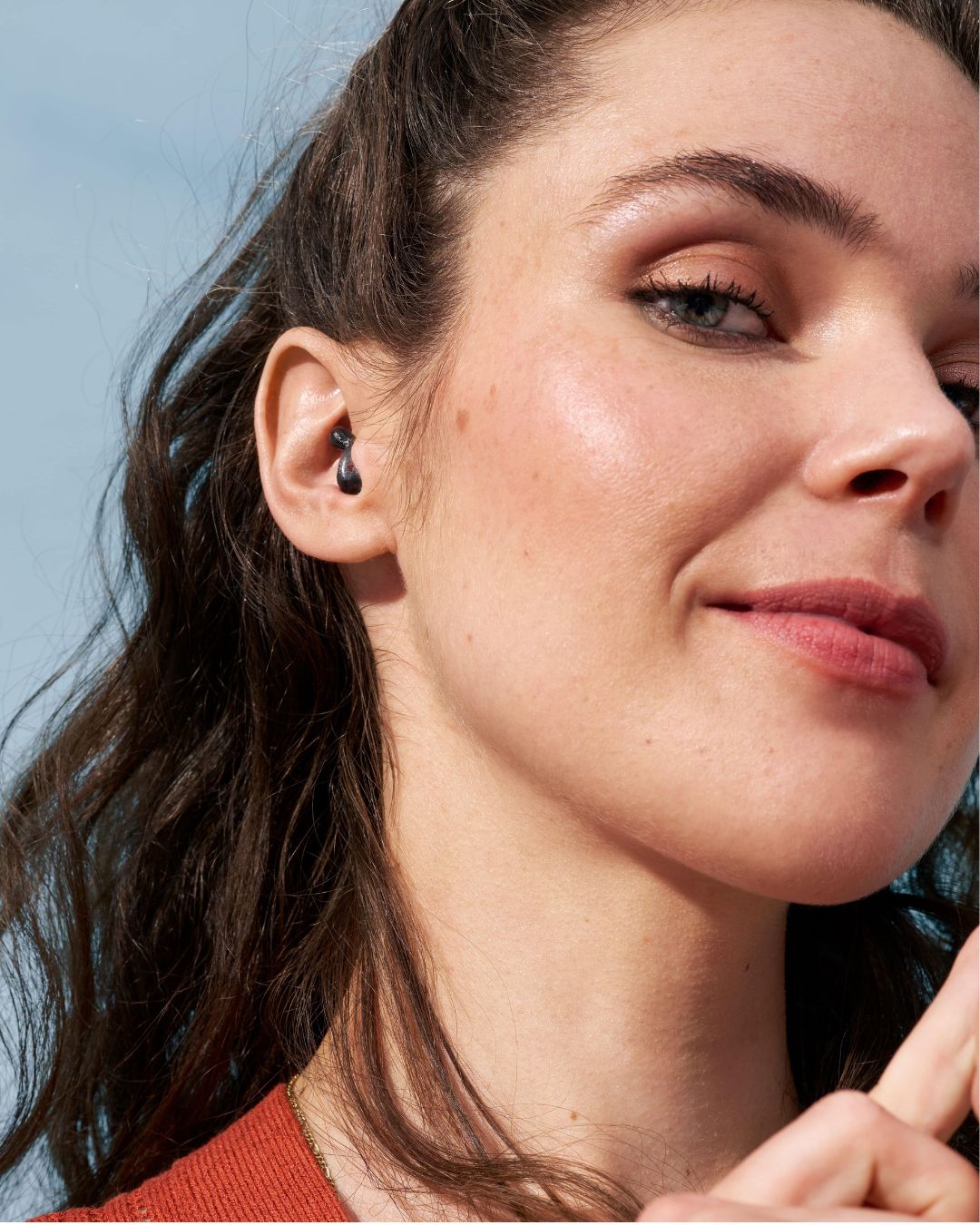
Do you work in noise every day? Then comfort is essential hearing protection only helps when it’s worn correctly and consistently. For environments with ongoing noise exposure, filtered options like Alpine WorkSafe are designed to help reduce exposure while supporting situational awareness (fit and correct use matter).
Why Custom-Fit is Often the Best Choice
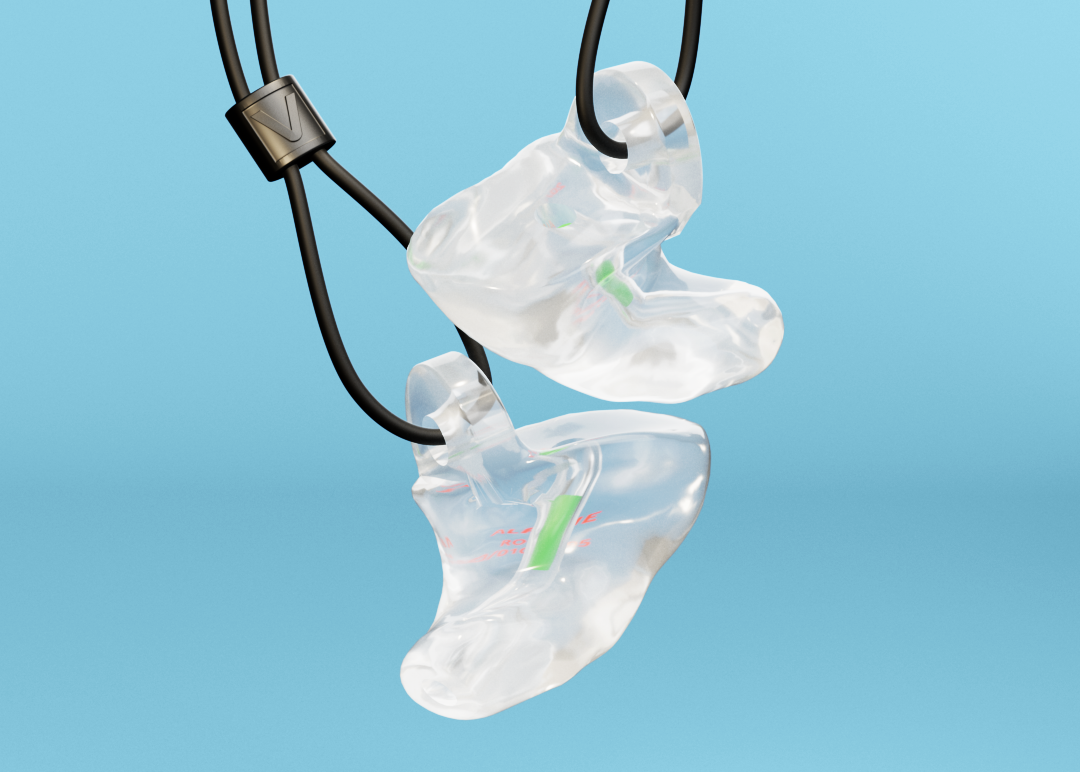
For prolonged or intensive exposure, custom hearing protection can be a good option. Potential benefits of custom-made hearing protection include:
- A tailored, secure fit
- More reliable attenuation due to reduced leakage
- Suitable for daily professional use
- Less chance of pressure points compared to some universal options
Check out the options for custom hearing protection here.
More Than a Requirement: Go for a Hearing-Safe Future
Take Early Warning Signs Seriously
Workplace noise regulations set thresholds. But hearing health goes beyond meeting the minimum.
Watch for signs like:
- Trouble following conversations
- Ringing after a workday
- Sensitivity to loud sounds
- Fatigue after noise exposure
If you recognise these signs, consider taking action promptly. If symptoms persist, seek advice from a qualified professional (e.g., an audiologist or your GP).
Your Personal Hearing Protection Plan
When choosing the right hearing protection, ask yourself these 3 questions:
- How many decibels am I exposed to daily?
- How long does that exposure last?
- Am I wearing protection that's comfortable enough to keep using?
Don't underestimate that last one hearing protection only works if you actually wear it (and wear it correctly).
Bottom Line: Don't Wait Until It's Required
In the UK, employers must take action from 80 dB(A), and hearing protection is typically required from 85 dB(A). But hearing damage can start earlier and go unnoticed. The legal standard is a minimum your hearing has to last a lifetime.
With prolonged exposure around or above 85 dB(A), it can be wise to choose hearing protection that fits well and is comfortable enough for consistent use.
Whether you work in a noisy environment or are exposed to loud sounds in your free time: protecting your hearing is far easier than trying to deal with damage later. Taking action today supports better hearing for the long term.