On a construction site, noise levels can often sit around or above 85 dB, depending on the task think circular saws, jackhammers, or concrete mixers. In the UK, employers must assess noise exposure and take action when legal thresholds are met. In practice, however, standard hearing protection isn’t always worn correctly or consistently. In this blog, you’ll learn why custom hearing protection can be a practical long-term option for comfort, consistent use, and on-site communication.
The Real Cost of Construction Noise
Decibel Levels on the Job Site: From Sawing to Demolition
Construction noise is often high. Indicative examples (levels vary by tool, setting, and distance):
- Circular saw: approx. 105 dB
- Jackhammer: approx. 110 dB
- Concrete mixer: approx. 85 dB
- Angle grinder: approx. 100 dB
Exposure time matters as much as volume. For example, long exposure at 85 dB can carry a comparable risk to much shorter exposure at higher levels. That’s why even “normal” site noise can be harmful over a full shift.
How Hearing Damage Creeps In
Hearing damage doesn’t always happen overnight. Early signs can include:
- Ringing in the ears after a shift
- Trouble following conversations in a noisy break area
- Asking colleagues to repeat themselves more often
Hearing damage can be permanent, and it may only become obvious after harm has already occurred. That’s why prevention on construction sites matters.
Your Legal Responsibility as an Employer: What You Need to Know
The Rules Around Hearing Protection, Simply Explained (UK)
In the UK, noise regulations use exposure action values. In simple terms:
- At 80 dB (lower exposure action value), you must provide hearing protection and information/training.
- At 85 dB (upper exposure action value), you must take further steps to reduce exposure and ensure hearing protection is worn where required.
- You must assess the risks and implement appropriate control measures.
In practice, that means measuring or estimating exposure, putting controls in place, and ensuring your team has suitable hearing protection that they will actually wear. For detailed, site-specific guidance, work with a competent health and safety professional or specialist provider.
The Risk of Doing Nothing
Ignoring noise hazards can increase the risk of:
- Enforcement action, fines, and liability
- Absence and compensation costs
- Reputational damage
- Losing experienced, skilled workers
There’s also a human impact: hearing loss can affect communication, safety, and job satisfaction.
Why Standard Earplugs Often Fall Short on Construction Sites
Comfort: Why Protection Stays in the Pocket
Foam plugs can be low-cost and widely available, but common issues include:
- Pressure or irritation after a few hours
- Incorrect insertion (reducing effectiveness)
- Poor compatibility with hard hats or safety glasses
- Hygiene concerns with prolonged use
If protection isn’t comfortable, it’s less likely to be worn consistently meaning protection can be significantly reduced.
Leakage and False Security
A small gap between an earplug and the ear canal can reduce the expected level of attenuation. Foam plugs may:
- Work loose when bending or sweating
- Not be inserted deep enough
- Expand unevenly
When standard plugs don’t fit well or aren’t used correctly, they can create a false sense of security while harmful noise still gets through.
Custom Hearing Protection: Made for Your Ears and Your Work
How Custom Earplugs Work
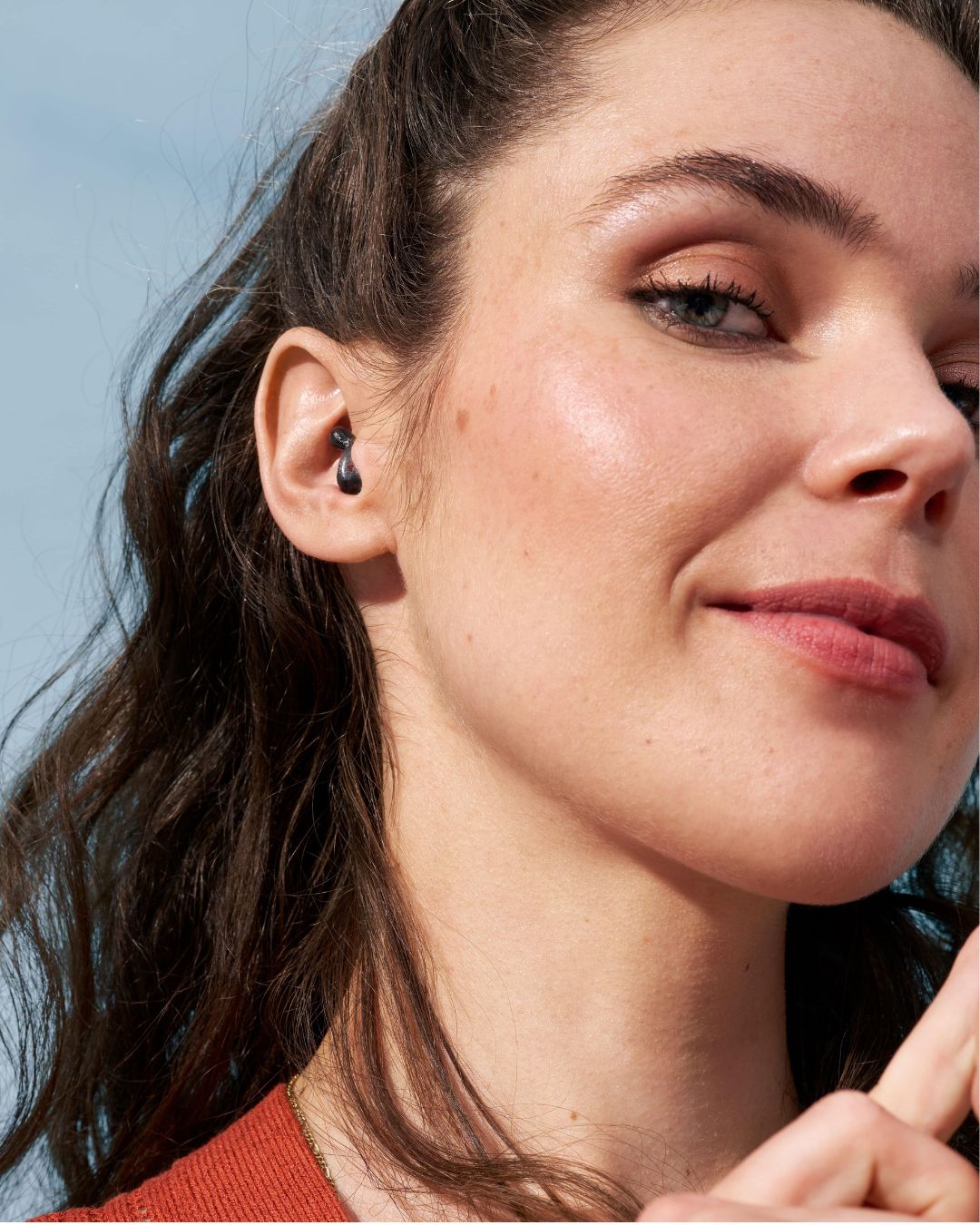
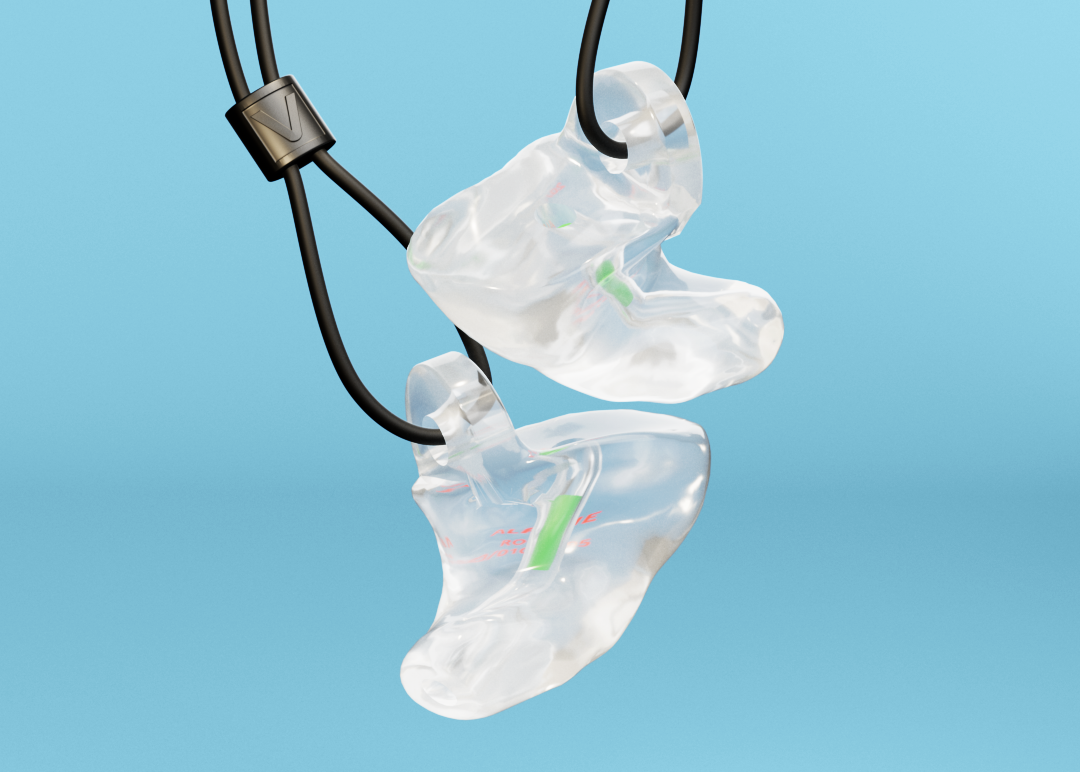
Custom hearing protection is made from an impression of the ear. A tailored fit is designed to create a secure seal, help reduce pressure points, and lower the risk of fit-related leakage. With the right acoustic filters, custom earplugs can reduce noise while supporting situational awareness so speech and key warning sounds can be easier to pick up than with unfiltered options, depending on the environment and correct use.
The Alpine Approach: Comfort and Protection in Balance
Alpine develops custom hearing protection using durable materials and filter options designed for professional use. For teams on site, this can mean:
- Consistent, dependable attenuation when correctly selected, fitted, and worn
- Comfort during extended wear
- Reusable products designed for long service life
Alpine also offers ready-to-use professional solutions such as WorkSafe.
How Custom Protection Pays for Itself
Cost of Damage Versus Prevention
Disposable foam earplugs can mean ongoing replacement costs. If protection isn’t worn correctly, the risk of miscommunication, reduced productivity, and potential hearing-related claims may increase.
Custom hearing protection is reusable and can last for several years with appropriate care. While the upfront cost is higher, it can be a cost-effective long-term option versus continually replacing disposable alternatives.
More Than Just Compliance
The right hearing protection can support:
- Clearer communication on site
- Less fatigue linked to noise exposure
- Improved focus
- Higher wearer acceptance and satisfaction
Custom hearing protection isn’t just about meeting requirements, it can also help teams work more comfortably and consistently.
Common Questions from Construction Pros
Don’t Custom Earplugs Block All Communication?
Not necessarily. With the right filter choice and correct fit, custom earplugs can reduce overall noise levels while supporting speech clarity and situational awareness compared with basic, unfiltered plugs. Always choose protection appropriate to the specific noise environment.
Are They Comfortable and Hygienic on a Tough Construction Site?
Custom hearing protection is designed for extended wear and is reusable. Many models are washable and compatible with other PPE such as hard hats and safety glasses. Suitability depends on the specific product, correct fit, and how it’s maintained.
Protect Your Team Today
Start with These 3 Steps
Every step towards better protection helps:
- Map your current noise levels and risks: list machines and tasks, and consider exposure duration.
- Ask your team about their experience with current protection.
- Explore whether custom solutions fit your needs and seek expert advice.
For larger teams, a specialist provider can support measurements, fitting sessions, and periodic on-site checks.
Ready to Level Up?
Alpine offers hearing protection solutions for demanding work environments from ready-to-use professional earplugs to custom options for teams. Because good hearing supports safer work, clearer communication, and a stronger future for your workforce.